Each year, about 125 million pregnant women are at risk of contracting malaria in pregnancy, with approximately 25% of all pregnancies in sub-Saharan Africa complicated by maternal malaria infection at delivery. Pregnancy-associated malaria has profound maternal and fetal health consequences, including increased risk of anemia, preterm birth, fetal growth restriction, delivery of low birth weight infants and impaired neurocognitive development – a consequence which is now increasingly being recognized.
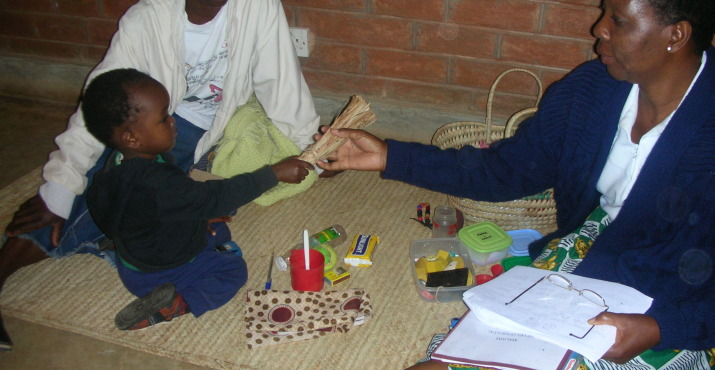
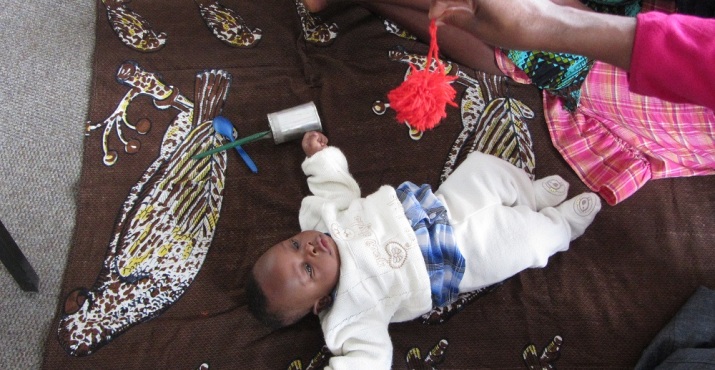
- 400 children born to mothers enrolled in a clinical trial to evaluate different malaria prevention policies in pregnancy will be evaluated for neurocognitive development.
- Of these, 200 mothers will receive the new intervention and 200 will receive intermittent preventive treatment.
- 4 nurses will be trained to track the developmental outcomes of children enrolled in the birth cohort.
Malaria exposure in the womb “may derail the developmental trajectory of generations of children.
-- Dr. Kevin Kain, co-PI of project